


Buying in Key West
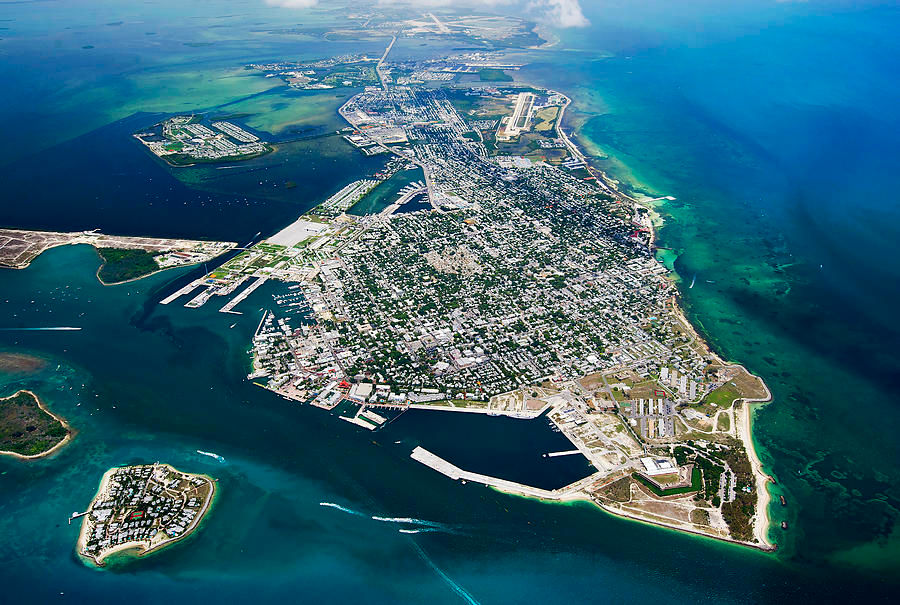
Buying here should be exciting, not a vocabulary test. I’ll help you sort out what matters: how you can use the property, what it costs to own, and which island rules come with the keys. The sunset is easy. Let’s make the paperwork easier, too.
Start with a topic below, then bring me your questions and the property address.
Mortgage rate check
See the latest national mortgage-rate averages. Check the date on the source. Your lender’s quote will depend on your credit, down payment, loan type, points and the property. These averages are a starting point, not a loan offer.
Buying a condo?
Read the building’s inspection reports, reserve study, budget and any special assessments before you fall in love with the balcony. The Condo & Waterfront Checklist below in this Buying Guide explains what to request and which questions to ask.
Rental Rules in Key West
Like so much in Key West, the rental rules come with a backstory. But first, the part that matters when you’re buying: you cannot assume a home can be rented nightly or weekly. An Airbnb listing is not a permission slip.
The basics
-
28 days or less: the property needs valid transient rental permission.
-
29 days or more: non-transient rental rules apply. City licensing is still required.
-
Condo and HOA rules: these may require longer stays or limit rentals further.
A little island drama: Truman Annex
Truman Annex’s weekly rentals came with an expiration date. After years of legal wrangling, a 2005 settlement gave certain homes special rental rights for 20 years. As the deadline approached, owners pushed for more time and city officials opposed an extension. The clock ran out on December 22, 2025, affecting about 300 rentals, according to Keys Weekly. Owners could apply for monthly licenses; those expired special licenses could not be moved elsewhere.
Beautiful neighborhood, very specific fine print. For a home covered by that agreement, plan on monthly rentals unless the City confirms otherwise. Read the Truman Annex story.
Before you buy: confirm the exact address, current license and minimum stay with City Licensing at 305-809-3959 or licensing@cityofkeywest-fl.gov. Check the association rules too. Let’s verify the rental plan before you count the income.
Flooding and Insurance
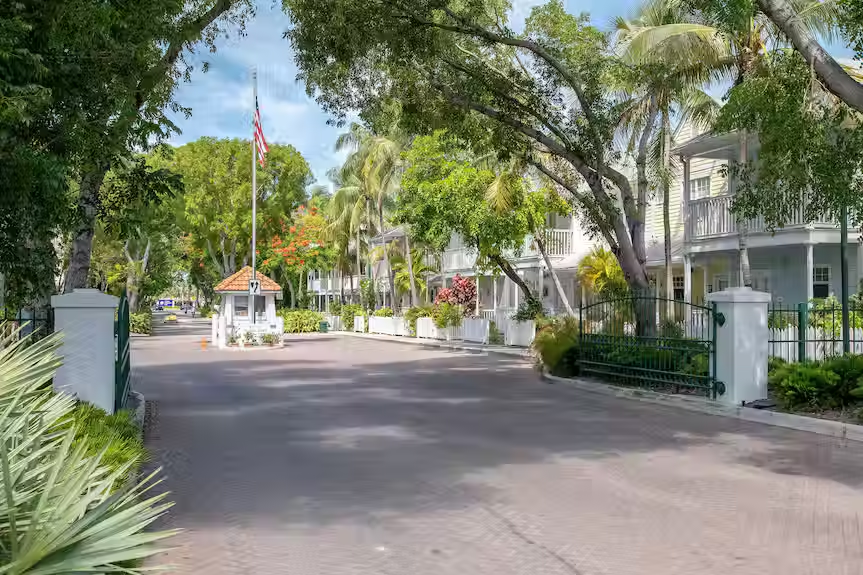
We live on an island. The view is wonderful; the insurance deserves a closer look. Storm surge, heavy rain and high tides can all cause flooding, even without a direct hurricane hit.
Check the house, not just the neighborhood. Look up the current flood zone, ask about past flooding and review the home’s elevation. Zone X means lower mapped risk, not zero risk.
Get quotes before you commit. Ask an insurance agent to price coverage for the house, wind and flooding. Roof age, elevation and storm protection can make a big difference. Compare deductibles—the amount you pay on a claim—and confirm that your planned rental use is covered.
Ask about requirements and discounts. Your lender or insurer may require flood coverage. Citizens has its own requirements. Ask about wind-mitigation discounts and any flood-policy discount available through the City’s flood-safety program.
Let’s get real numbers for the actual address before a lovely porch distracts us from the monthly budget.
Check current City flood maps · Proposed map changes · FEMA flood-insurance basics
Property Taxes in Key West
Start with your tax estimate—not the seller’s bill. A sale can reset the home’s assessed value. Ask the Monroe County Property Appraiser what you should budget as the new owner. There is no one-size-fits-all 1% rate.
Living here full time? A qualifying primary home can receive a homestead exemption, which lowers its taxable value. Save Our Homes also limits later increases in assessed value; it does not freeze your tax bill. Second homes and vacation rentals do not get these homestead benefits. Check eligibility and apply with the Property Appraiser.
Could a primary home have no property taxes?
Possibly some non-school property taxes—but “no taxes at all” would be getting ahead of ourselves. Florida’s proposed Amendment 3 would raise the non-school homestead exemption to $150,000 in 2027 and $250,000 in 2028. That could eliminate those taxes on some lower-valued qualifying homes.
The proposal also creates a path for local exemptions up to a home’s full assessed value, but that would require additional local action. School taxes would remain. For buyers who are not Florida residents on December 31, 2026, the larger exemption would begin in their fifth qualifying year. It also proposes a lower assessment-growth cap for non-homestead properties.
As of October 13, 2026, this is a proposal for the November ballot, not an existing tax break. Budget under today’s rules. For the details, read News 6’s Amendment 3 explainer or the official ballot summary.
Planning to rent? Lodging taxes on guest stays are separate from property taxes. Confirm the current lodging-tax rate and who collects and pays it. A booking website may not handle every part.
ROGO - Rate of Growth Ordinance
An empty lot is not an automatic building right. ROGO means Rate of Growth Ordinance. In the City of Key West, the program is called BPAS, the Building Permit Allocation System. It has regulated new residential units since 1993.
Growth limits are tied to hurricane evacuation, infrastructure and environmental protection. With one highway connecting the Keys to the mainland, new housing must fit the applicable evacuation and development rules. This helps explain why development is more constrained here than in many mainland communities.
Adding a second dwelling: converting a single-family home into a duplex may require an allocation or a valid exemption, as well as zoning and permit approval. The City’s 2026 report includes approved additional units, so the answer depends on the property and the proposal. Verify the legal dwelling count before planning an extra apartment or relying on future rental income.
Building allocations and vacant lots are different. Evacuation studies, legislation and local decisions can change allocation availability. Figures for unincorporated Monroe County do not automatically apply inside Key West. A countywide headline does not establish that a particular lot is buildable.
Before buying land, a teardown or a home with an extra unit, ask the correct planning department to confirm the building rights, exemptions and rebuilding options in writing.
Key West BPAS information · City’s 2026 annual report · County ROGO updates
Sources checked October 13, 2026. Confirm current availability with Planning before making an offer.
HARC - Renovations on a Historic Home
That old Key West cottage has character. It may also have rules about what you can change.
HARC is the Historic Architectural Review Commission. It helps protect the island’s historic buildings and streetscapes. If a home falls under HARC, exterior work can need approval—even painting, a fence or work that does not need a building permit.
Before you buy: check the property’s status and discuss your renovation ideas with the City. Think windows, roofs, additions, pools and decks. Let’s find out what is possible before you fall in love with a plan to change everything.
Check HARC jurisdiction · City historic-preservation information
The Downstairs Enclosure Rule Change
More storage does not mean another bedroom. That is the main thing to remember about space enclosed beneath an elevated home.
On February 4, 2026, unincorporated Monroe County ended its old 299-square-foot limit on downstairs storage enclosures. That change covers County-governed areas; it does not automatically change the City of Key West’s rules.
Permits and flood-safety requirements still apply. These areas remain limited to storage, parking or access—not an apartment or other living space. A bed and a mini-fridge do not turn storage into a legal guest suite.
Before you buy: ask the correct building department to verify permits and approved uses for the exact address, including any older enclosure.
Read the County’s rule change · Key West’s enclosure guidance
Condo & Waterfront Checklist

A condo can make island life easier, but you are buying into the building’s finances as well as the unit. Read the paperwork before you fall in love with the balcony.
Two reports, two different jobs
Milestone inspection: checks the building’s structural condition. A deeper Phase 2 inspection is needed when substantial structural deterioration is found.
Structural Integrity Reserve Study (SIRS): estimates major repair and replacement costs and plans how the association will fund them.
Ask for these before buying
-
The latest inspection reports and reserve study, the next due dates, and any unfinished repairs.
-
The current budget, reserve balances, monthly dues, and approved or proposed special assessments.
-
Master insurance, deductibles, recent meeting minutes, and rental and pet restrictions.
-
Repair permits and completion records. Review the documents with your inspector, lender and closing professional.
When are they due?
For covered condo and co-op buildings of three or more habitable stories, milestone inspections generally start at age 30, or 25 if required locally, and repeat every 10 years. SIRS generally repeat at least every 10 years. Confirm the building’s actual deadlines with the association and local building official.
A completed report does not mean every repair is finished or fully funded. Florida strengthened these requirements after the 2021 Surfside collapse.
Buying on the water?
Also check dock and seawall condition, water depth, boat access, permits and maintenance obligations.