


Key West Neighborhoods
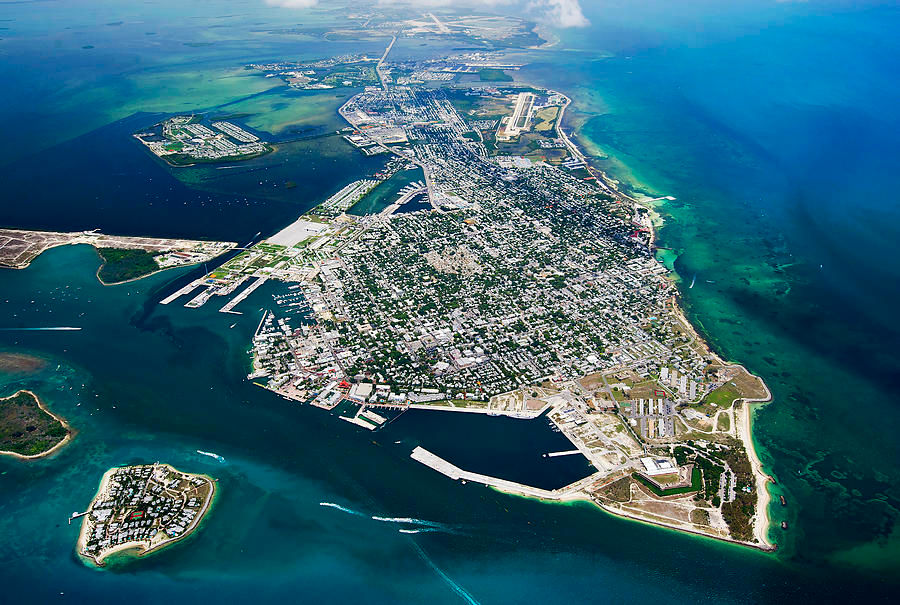
Key West is small, but each area has its own pace, housing styles, and relationship to the water. Use these descriptions as a starting point and visit at different times of day.
Compare the neighborhoods
Start with how you want to spend an ordinary day—not just a vacation day. Duval is fun, but I always say: rent a bike and explore the little streets, cottages, shops and delis. That is where you really get to know Key West.
-
Historic homes and easy exploring: Old Town, Bahama Village and The Meadows.
-
Harbor activity and boat trips: Historic Seaport.
-
A central, gated setting: Truman Annex.
-
Beach-side streets and some roomier lots: Casa Marina.
-
Everyday errands and a wider mix of homes: Midtown and New Town.
-
Canal living: Key Haven. Working-waterfront character: Stock Island.
These are starting points. Walk the actual block, visit at different times, and check the specific home’s rules and costs.
Old Town
This is the Key West of porches, shutters, tucked-away lanes and houses that make you stop your bike for a second look. Duval runs through it, but the quieter side streets deserve just as much attention. My advice: leave time for wandering. A deli stop and a look at the cottages count as a perfectly good afternoon.
Do not miss the cemetery in the heart of Old Town. After the October 11, 1846 hurricane tore through the earlier beach-side burial ground, the City established this cemetery in 1847 on higher ground near Solares Hill. The City describes the site as 16 feet above sea level. Its history, memorials and wonderfully individual epitaphs tell a different side of the island’s story.
Buying here? Check HARC review, parking, rental permission and the exact flood zone. “Old Town” does not mean every house has the same rules—or the same elevation. Explore the cemetery’s history.
Casa Marina
Think leafy residential streets near the southern shoreline, a mix of historic and newer homes, and some larger lots. I would include a walk or bike ride toward Higgs Beach when exploring this part of town. The pier and nearby AIDS Memorial give you reasons to slow down and look beyond the beach.
For a purchase, compare the actual lot, elevation, insurance and preservation status. Being near the water is lovely; understanding what comes with it is part of the homework.
Historic Seaport
Boats, docks, seafood and the feeling that something is always heading out on the water. This is an easy place to turn a short stroll into lunch. Half Shell Raw Bar belongs on the list, and Waterfront Brewery is one of my choices for food, drinks, harbor views and a family outing.
Listen to the block at different times of day. A lively harbor location comes with activity. Check flood coverage, wind insurance, parking and any association rules for the exact property.
Truman Annex
A gated enclave beside Old Town, with landscaped streets and restored historic buildings. Include Truman Waterfront in your visit, then walk into town to see how the location works for your routine.
The pretty setting does not replace the fine print. Rental rights differ by property; some special weekly-rental permissions expired in December 2025. Confirm today’s license, minimum stay and association rules before building a rental-income plan.
Bahama Village
Bahamian heritage, colorful houses and small streets make this part of Old Town worth exploring on foot or by bike. Look beyond the main restaurant stops and give the neighborhood’s history some attention too.
My advice is to notice the houses and everyday rhythm as much as the places to eat. Check permits, HARC requirements where applicable, flood history and parking at the property itself.
The Meadows
Leafy streets and cottages give The Meadows a residential feel close to Old Town. This is exactly why I recommend getting off Duval and taking a bike ride: you see another pace of island life.
Look at porches, outdoor space and how you would use the home year-round. Building age, preservation status and elevation vary, so review permits and insurance for the address.
Midtown
Midtown brings a mix of houses, apartments and condos with access to beaches and everyday services. My suggestion: test the practical stuff. Ride the route to your favorite coffee stop, see where you will buy groceries, and check the parking.
Compare outdoor space, construction, flood exposure and association costs. A home should work for your Tuesday as well as your sunset photo.
New Town
This is where much of the island’s everyday shopping and services sit, alongside a broad mix of homes and condos. It feels different from the historic core, and that may suit how you want to live.
I would spend part of your visit doing ordinary errands here. Convenience matters on an island. Check the property’s flood map and elevation even if it is inland, plus insurance, parking and any condo costs.
Key Haven
Across the bridge, Key Haven offers many canal-front homes and a more residential setting. If your idea of island life starts with getting on a boat, take a close look at the actual route from the dock to open water.
Check depth, bridge clearance, dock and seawall condition, permits and maintenance costs. This is outside the City of Key West; confirm County requirements, elevation and insurance before buying.
Stock Island
Working boats, marinas, local businesses and a mix of established homes and newer development give Stock Island its own character. Explore it as its own place, not just somewhere you pass on the way into Key West.
My advice is to see the waterfront and then drive the residential streets. Confirm the exact jurisdiction: parts of Stock Island are within the City, while others are in unincorporated Monroe County. Zoning, rentals, permits and services depend on the address.
A quick flood reminder
Flood zones are property-specific. Review the current map, elevation certificate, flood history and an actual insurance quote. Zone X means lower mapped risk, not zero risk.
City flood maps · How to read a flood map · Flood history and hazards